Nalanda University Campus
Case study Image
Image
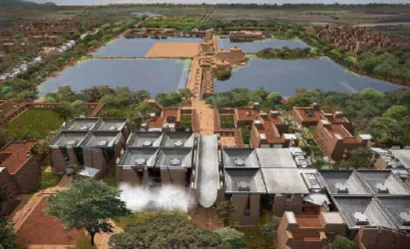
Location
Rajgir, Bihar
Read More Link
CaseStudy Year
Case study location

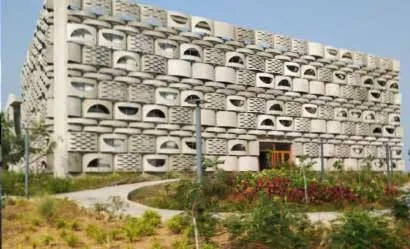
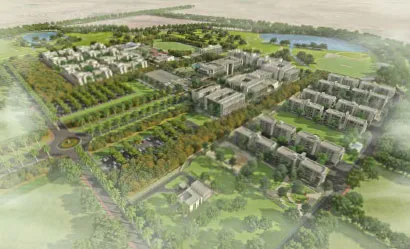
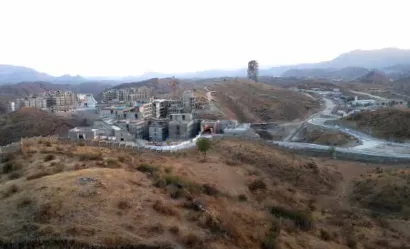
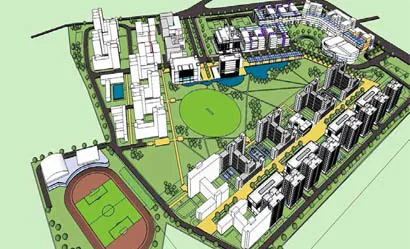
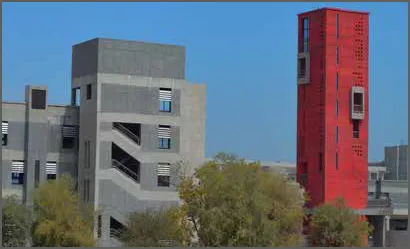


GRIHA for Large Developments (LD) Rating is developed for large scale development projects consisting of multiple buildings and supporting infrastructure which maybe developed in phases. The performance of such projects extends beyond the design of individual buildings, encompassing a broader evaluation of large-scale environmental issues and their cumulative effects on the surrounding built and natural environments.
GRIHA LD framework stresses on two aspects: first – reduction of detrimental impacts of the projects on the surroundings and second, attempt to achieve self-sufficiency in aspects like energy, water, etc. The rating provides a structured approach for assessing and guiding the sustainable planning of new townships, neighbourhoods, and large-scale developments, as well as the redevelopment and growth of existing ones.
The intent of GRIHA LD is to provide a consolidated framework for assessing the environmental impacts of large-scale developments.
reduces detrimental impact on the surroundings to the minimum and attempt to become self-sufficient in aspects like energy, water, etc.
The project encourages self-sufficiency by integrating on-site resource management systems for energy, water and waste. This includes systems such as rainwater harvesting, renewable energy generation, waste recycling, etc. These measures reduce dependency on external utilities and promote sustainable, and resilient community development.
the rating includes several parameters enabling qualitative assessment of the development. For example, implementation of Smart Mini-Grids, meeting water quality norms, transport planning, planning for low-income group populations etc.
It evaluates aspects like land use, site planning, mobility, stormwater management, energy infrastructure, waste and biodiversity ensuring the entire development is sustainable, not just individual buildings.
It allows assessment at different stages of construction and operations, making it more adaptable for large townships, SEZs, industrial parks, and housing colonies.
Developers can market the entire township/estate as sustainable, enhancing investor confidence, improving sales, and aligning with government-backed incentives for green urban infrastructure.
It emphasizes public transport access, pedestrian pathways, and reduced vehicular impact, improving livability and reducing carbon emissions at the community level.
Required Criterion
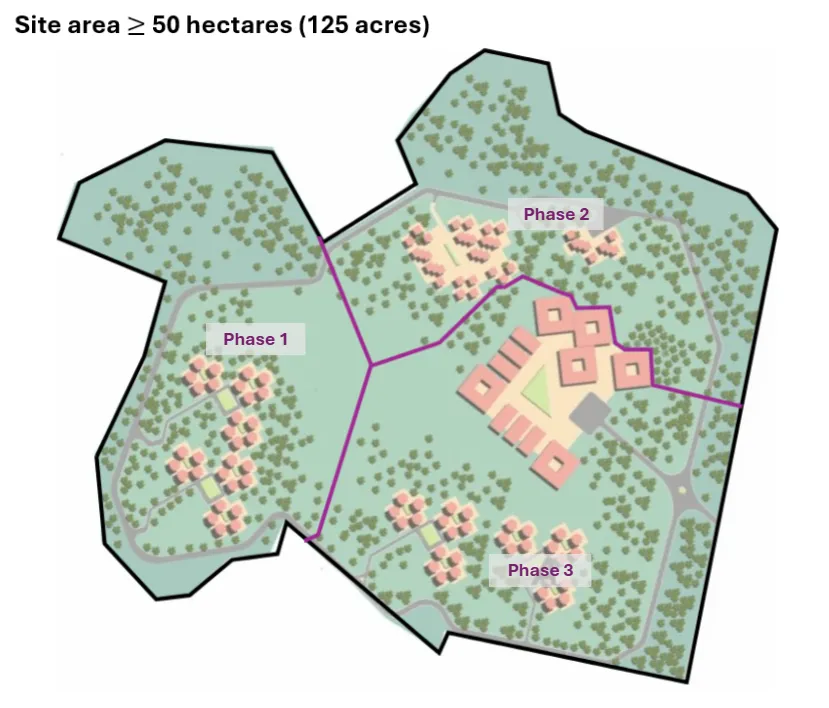
Projects with site area greater than or equal to 50 hectares (125 acres) are eligible for GRIHA LD rating.
Projects with site area greater than or equal to 50 hectares (125 acres) are eligible for GRIHA LD rating.
Master Plan Rating - INR 3.25 lakh (Fee USD - 4500$)
| PHASE WISE FEES | ||
|---|---|---|
| Site Area | Fees (INR) | Fee (USD) |
| 50 hectares | 3,00,000 per phase | 4000 |
| For every hectare above 50 | 5,500 per hectare | 75 per hectare |
| Sub-sections | Overall Weights (A) | Maximum Sub-section Score (B) | Weighted Score ( C) = (A) X (B) |
|---|---|---|---|
| Self-Sufficiency Appraisals | |||
| Energy | 0.18 | 100 | 18 |
| Water | 0.23 | 100 | 23 |
| Organic solid waste treatment | 0.12 | 100 | 12 |
| Development Quality | |||
| Site Planning | 0.08 | 100 | 8 |
| Energy | 0.09 | 100 | 9 |
| Water | 0.12 | 100 | 12 |
| Solid Waste Management | 0.06 | 100 | 6 |
| Transport | 0.06 | 100 | 6 |
| Social | 0.06 | 100 | 6 |
| Total Score | 1 | 100 | |